PLE Group

Press

Press appearances and professional knowledge base

Professional appearances, Did you know? materials, events, articles and downloadable documents about PLE Group's work.

Featured topics and categories

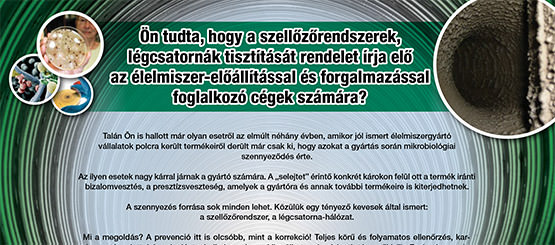
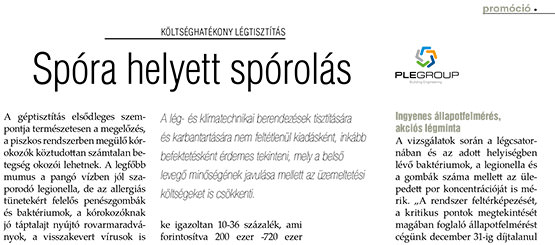
  • Did you know? professional knowledge base
  • Hungarian Green Building Council #betterbuildgreen conference
  • Deloitte Real Estate Regatta
  • 1st Climate and Ventilation Professional Day
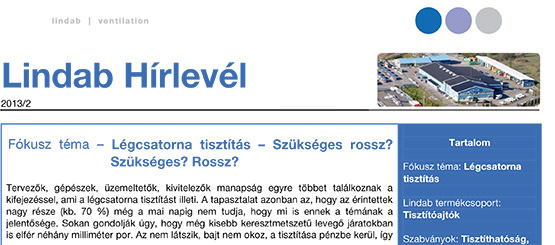
  • Lindab newsletter and professional appearances
Latest articleMaintenance / Operational safety2026.07.22. / 4 min read

Did you know?

When should air duct cleaning be planned?

The condition of an air duct system directly affects indoor air quality, energy use and operational reliability. Cleaning is not only relevant when complaints or odours already appear.

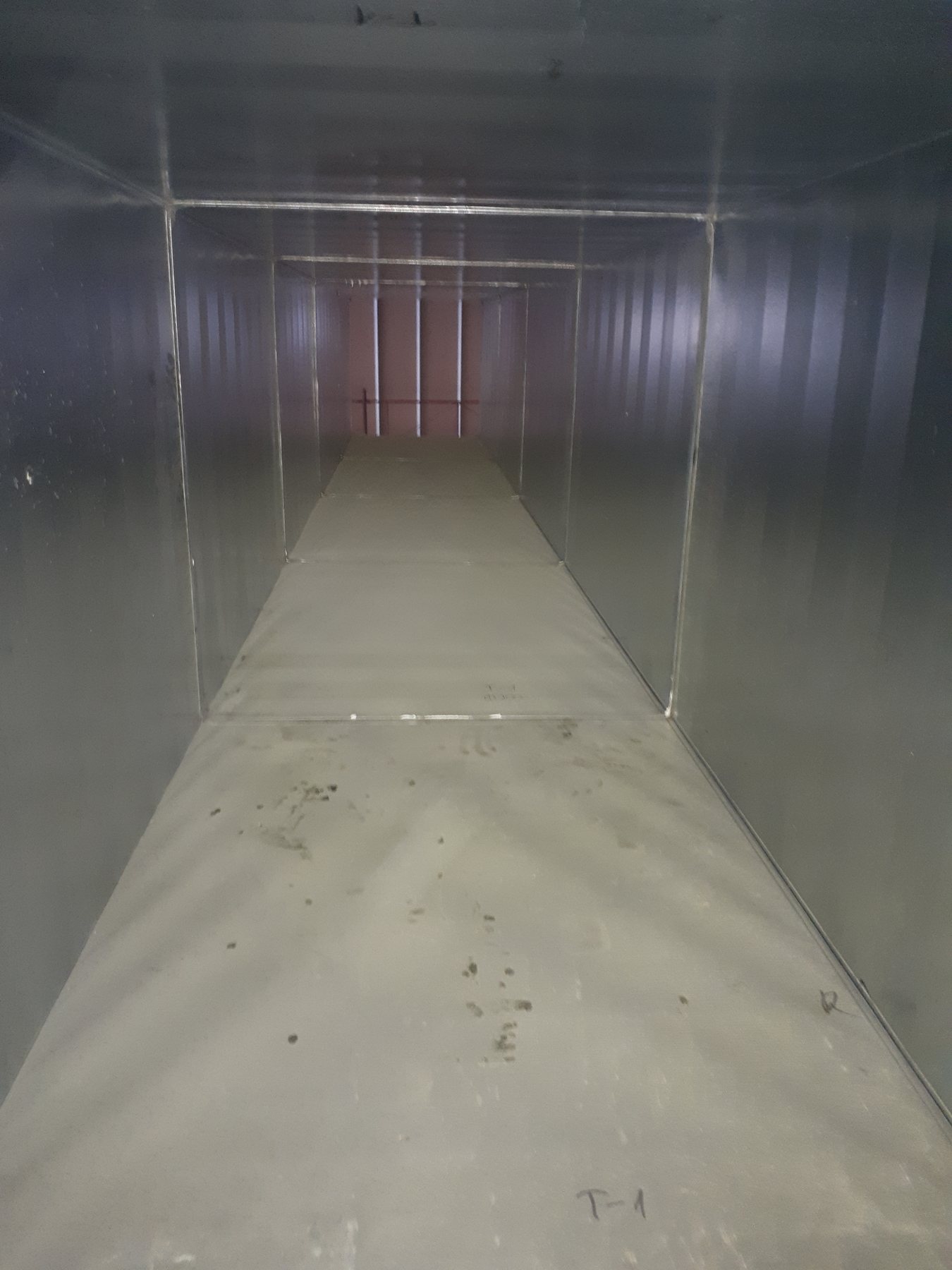
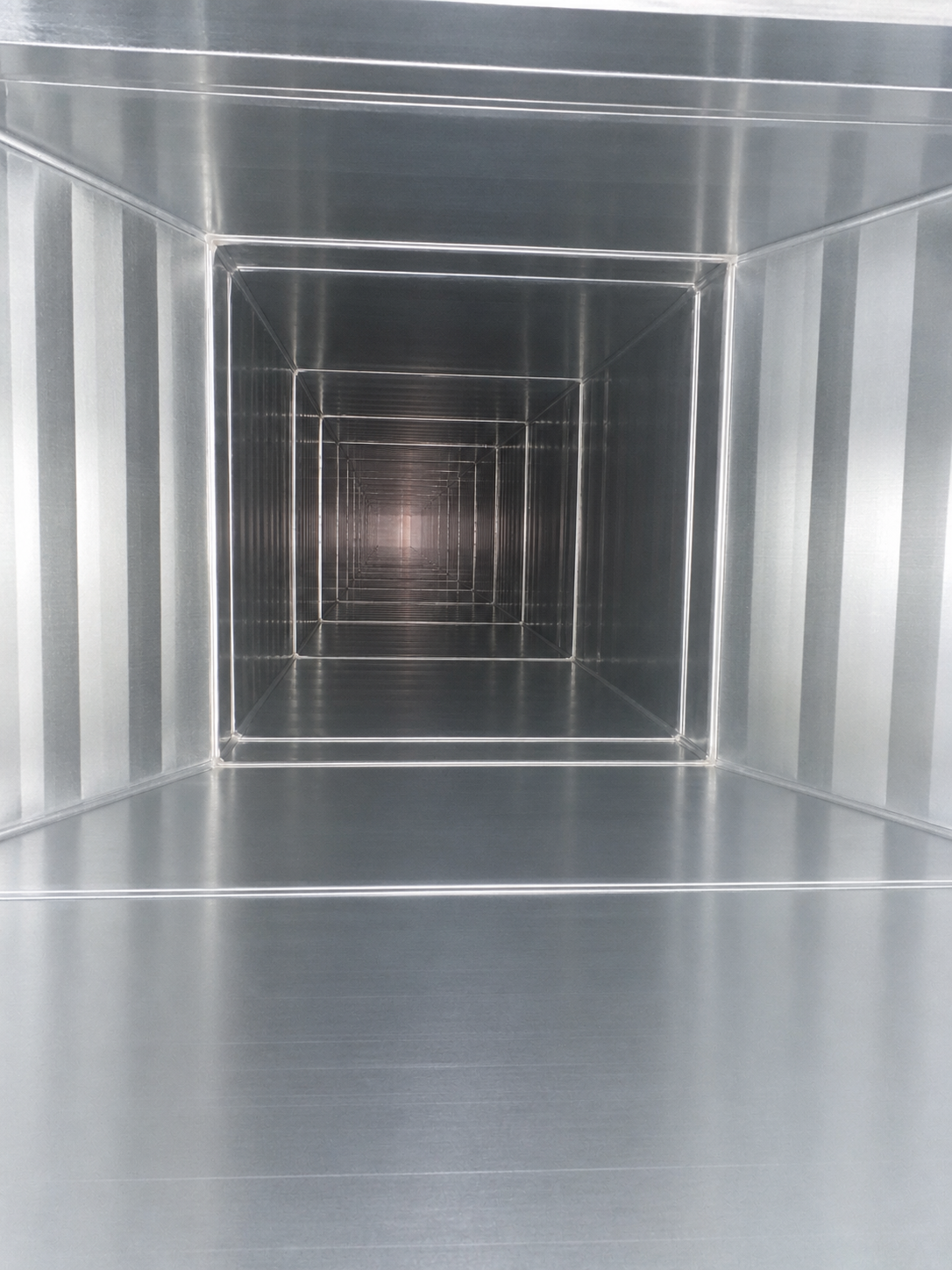
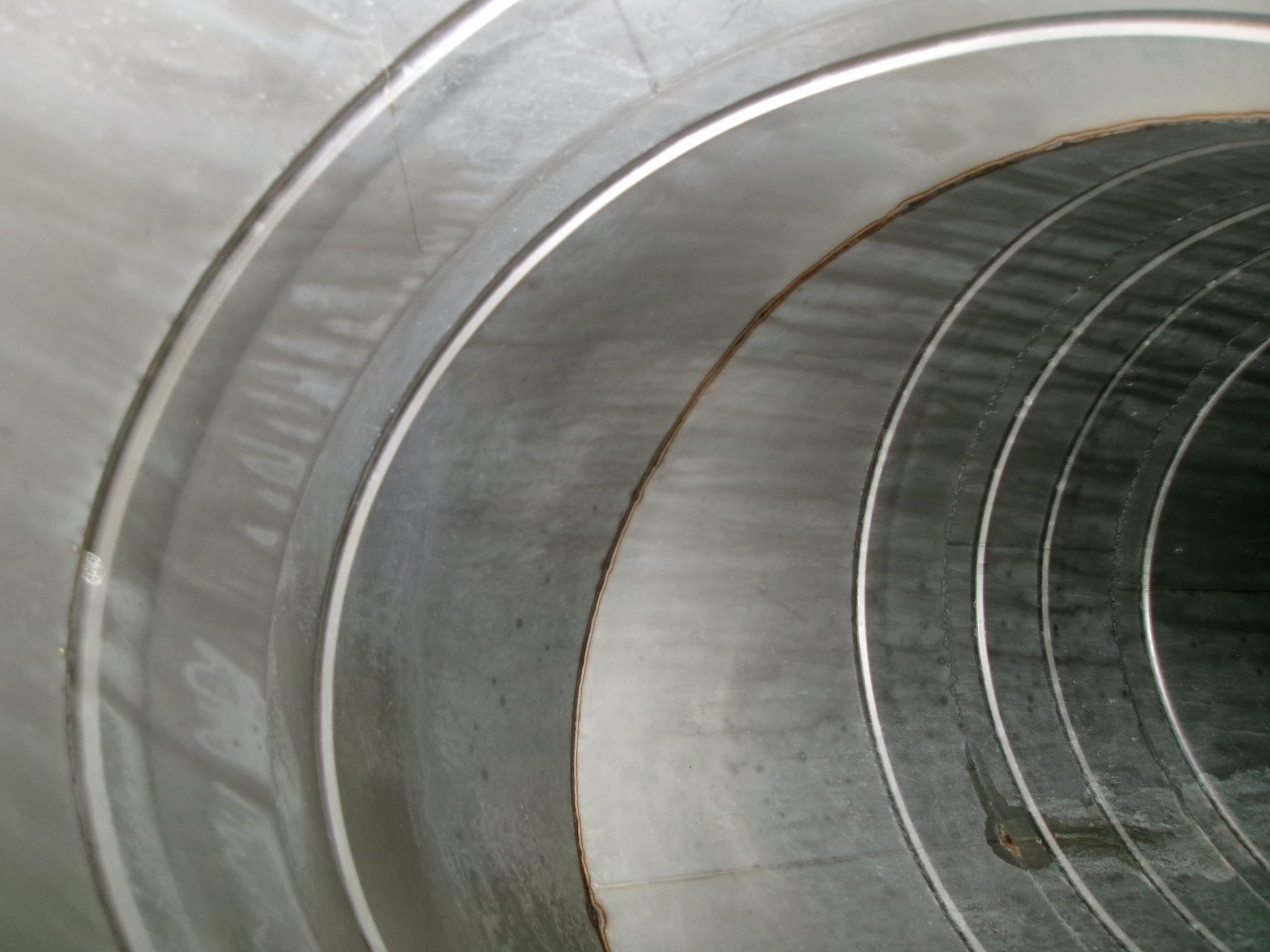
Clean, deep internal view of a circular air duct
PLE Group Kft. reference - internal air duct conditionReal project photo showing the internal geometry of the air duct. A documented condition survey makes maintenance decisions easier to plan.

Preventive timing is stronger than complaint handling

In industrial, commercial and institutional buildings, air handling systems operate continuously. Dust, deposits and other contamination may gradually appear inside the ductwork, affecting efficiency and comfort before obvious warning signs emerge.

Certain environments need closer attention

Regular inspection is especially important where air quality, hygiene or uninterrupted operation is critical, such as offices, production plants, healthcare, food industry and high-traffic retail facilities.

Visible symptoms may already mean delay

Odours, dust complaints, uneven air distribution or reduced airflow can indicate that the system needs professional review. Deposits may increase resistance, energy use and operating load.

Survey, documentation and cleaning belong together

Professional condition assessment and cleaning support long-term, economical and verifiable operation. PLE Group Kft. approaches air duct cleaning with building engineering judgement, not only as a cleaning task.

Knowledge base for reliable air technology

New Did you know? materials are added here as separate entries, so earlier topics remain in a browsable, category-based list.

Clean, deep internal view of a circular air ductAir duct internal surface before cleaning
Did you know?Maintenance / Operational safety

2026.07.22. / 4 min read

When should air duct cleaning be planned?

A practical guide to when an industrial, commercial or institutional building should schedule air duct inspection and cleaning.

Real PLE reference photos

Selected work photos from air duct cleaning: in progress, before cleaning and after cleaning.

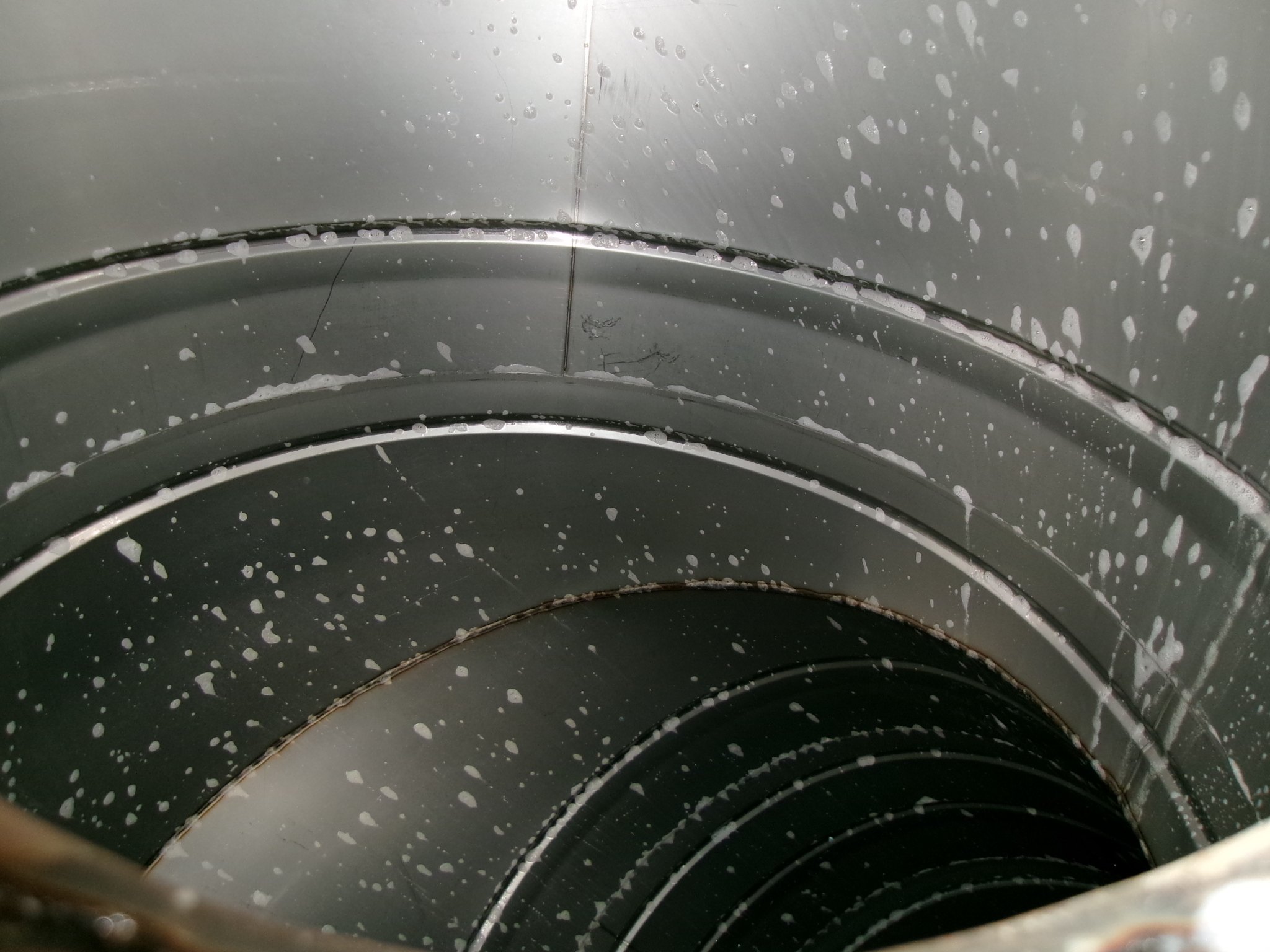
Foamy surface inside an air duct during cleaning
PLE Group Kft. reference - air duct cleaning in progressA real work-phase image where the cleaning process is visible on the internal surface of the duct.
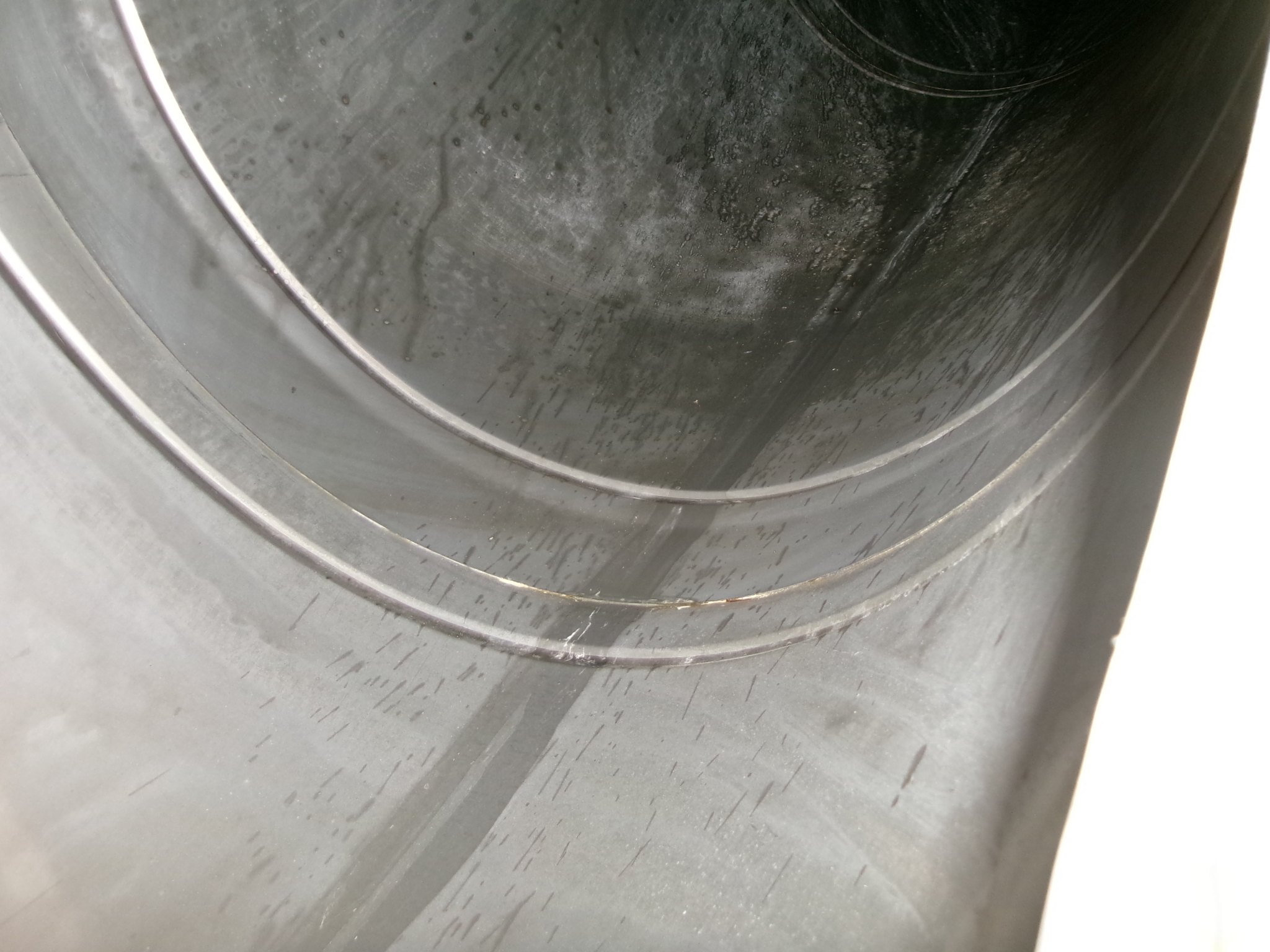
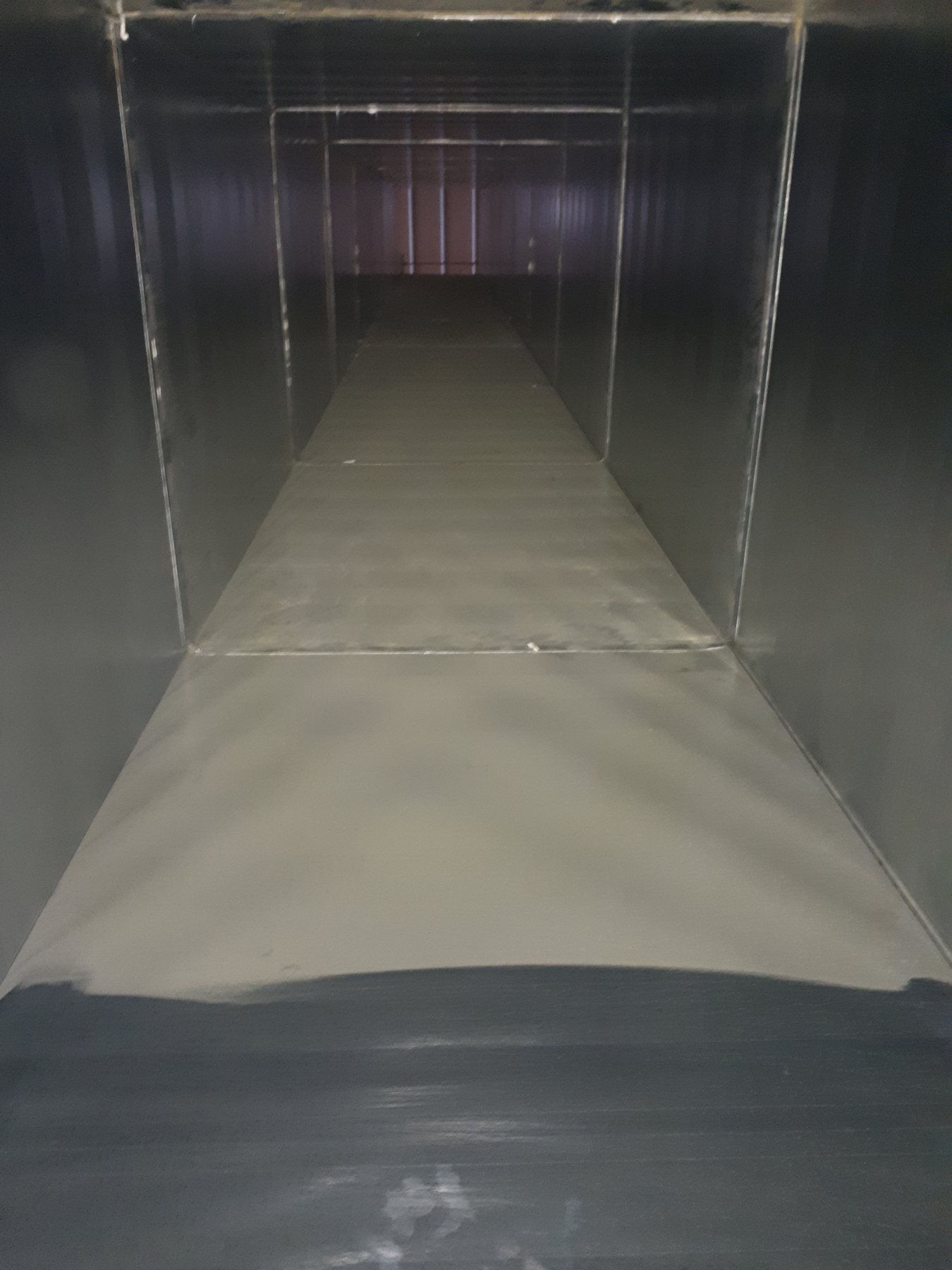
Dirtier internal air duct condition before cleaning
PLE Group Kft. reference - internal condition before cleaningThe pre-cleaning condition helps show why inspection and planned maintenance should not wait for complaints.
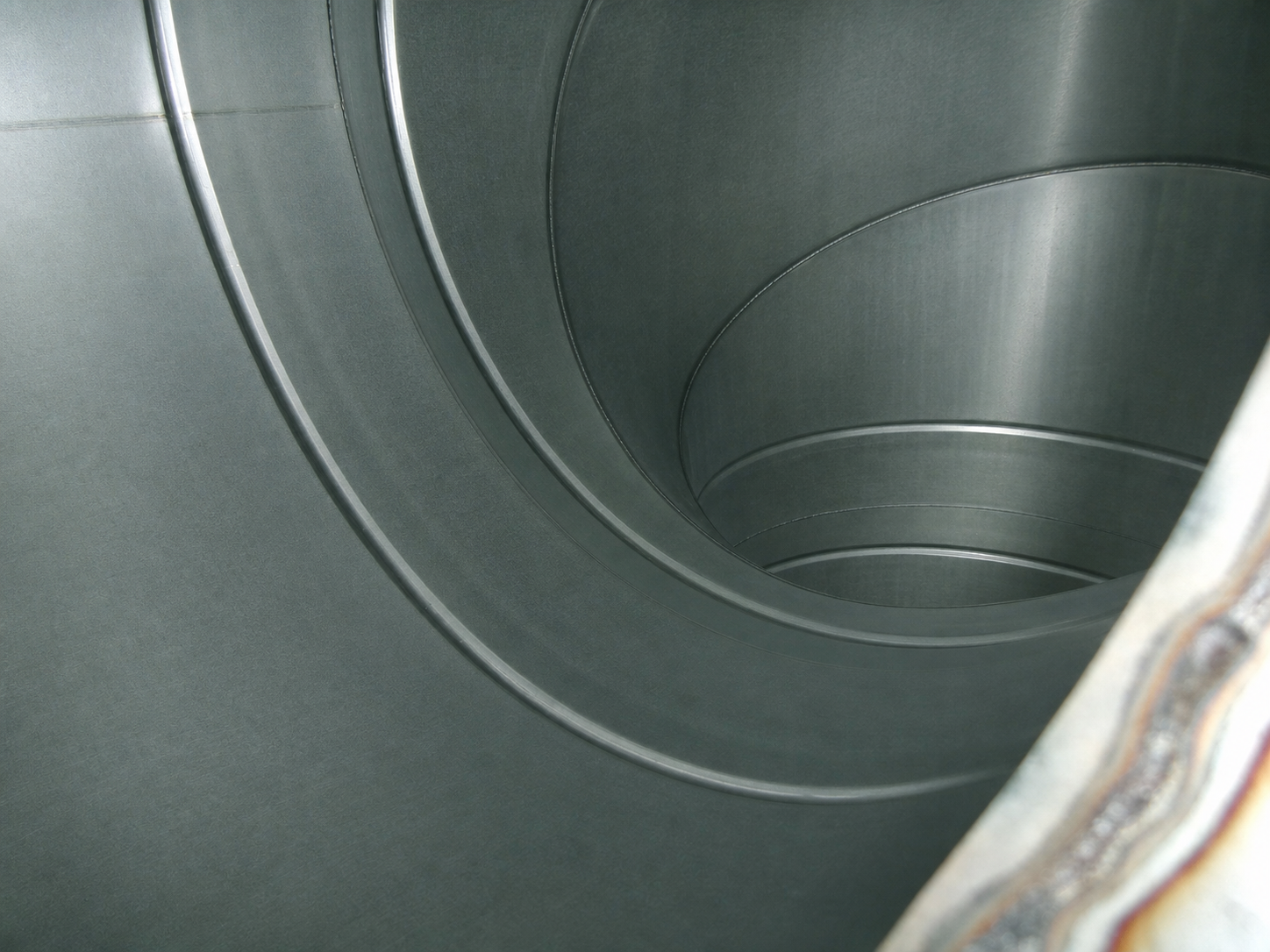
Bright clean internal air duct surface after cleaning
PLE Group Kft. reference - condition after cleaningAfter cleaning, the internal surfaces become easier to inspect and the system can be operated in a more controlled way.

Start with a documented condition survey

If an air handling system has not been inspected for a long time, it is worth assessing its condition in time. Preventive maintenance is often simpler and more economical than handling an established operating issue.

Request an air technology survey
Archive articleAir duct cleaning2026.07.22. / 4 min read

Did you know?

What can a neglected air duct system cause?

The internal condition of air handling systems is often invisible from the outside, yet it can affect indoor air quality, energy use and operational reliability.

Air duct internal surface before cleaning
Real reference photo: air duct condition before cleaningPLE Group Kft. reference - internal air duct surface before cleaning and inspection.

Indoor air quality may deteriorate

Dust and deposits inside ductwork may return to occupied spaces with the airflow. This is especially relevant in offices, healthcare facilities, food industry environments, production plants and high-traffic commercial buildings.

System efficiency may decrease

Deposits can increase system resistance, reduce airflow and place additional load on fans, air handling units and other mechanical equipment. The system may still operate, but no longer in its original technical condition.

Energy use may increase

If an air handling system has to work harder to deliver the same air volume, this can appear in operating costs over time. A clean, properly maintained system is both a hygiene and an efficiency question.

Operational risks can remain hidden

Without inspection and cleaning, smaller issues may stay unnoticed for a long time. A professional survey shows not only the level of contamination, but also irregularities that could later become larger operational problems.

Reference photos: air duct cleaning

Real reference photos showing air duct condition before, during and after cleaning.

Air duct internal surface after professional cleaning
Reference: condition after air duct cleaningReal reference photo after professional air duct cleaning. The clean internal surfaces are easier to inspect and support safer facility operation.
Internal air duct surface before and during cleaning
Air duct cleaning in progress - before/after contrastThe contrast inside the ductwork helps make the need for inspection and cleaning clearly visible.
Air duct internal surface before cleaning
Reference: condition before cleaningThe internal surface before cleaning shows why a professional inspection and cleaning schedule is important.

Start with a technical condition survey

PLE Group Kft. supports the assessment of air handling systems and the definition of the necessary interventions with air duct cleaning, inspection and building engineering experience.

Request an air technology survey

Downloadable materials

Lindab manufacturer installation guides

Official Lindab installation and maintenance guides linked as external resources for ventilation execution and operation tasks.

Lindab Safe szerelési útmutatóExternal PDFSzellőző sapkák szerelési útmutatóExternal PDFTransfer szerelési útmutatóExternal PDFNégyszög szerelési útmutatóExternal PDFBekötési, indítási és üzembehelyezési kézikönyvExternal PDFDarabokban szállított forgódobos hővisszanyerők összeszerelése és üzembehelyezéseExternal PDFDarabokban szállított lemezes hővisszanyerők összeszerelése és üzembe helyezéseExternal PDFSzállítási és összeszerelési útmutatóExternal PDFSzervizelési és karbantartási kézikönyvExternal PDFCompAir CF szerelési útmutatóExternal PDFCompAir RW szerelési útmutatóExternal PDFRHR-H kompakt légkezelő szerelési útmutatóExternal PDFRHR-V kompakt légkezelő szerelési útmutatóExternal PDFLG150 felhasználói útmutatóExternal PDFLG150 TOUCH panel kezelési útmutatóExternal PDFLG350-450 felhasználói útmutatóExternal PDFLG350-450 TOUCH panel kezelési útmutatóExternal PDFInDomo szerelési útmutatóExternal PDFNégyszög hangcsillapítók szerelési útmutatóExternal PDFKör hangcsillapítók szerelési útmutatóExternal PDFSzerelési útmutató - Hő- és füstelvezető rendszer - körExternal PDFSzerelési útmutató - Hő- és füstelvezető rendszer - négyszögExternal PDFKör csőventilátor felhasználói útmutatóExternal PDFNégyszög csatornaventilátor felhasználói útmutatóExternal PDFCF szerelési útmutatóExternal PDFMBF szerelési útmutatóExternal PDFTMBF szerelési útmutatóExternal PDFIpari ventilátorok általános szerelési és karbantartási útmutatóExternal PDFF300 hő- és füstelvezető szerelési és karbantartási útmutatóExternal PDFF400 hő- és füstelvezető szerelési és karbantartási útmutatóExternal PDFATEX II-2G szerelési és karbantartási útmutatóExternal PDFTolózár szerelési útmutatóExternal PDFSzabályozók szerelési útmutatóExternal PDF